5 Best Electric Cut Out Fuse Suppliers Worldwide?
Choosing a dependable Electric Cut Out Fuse supplier requires more than comparing prices or browsing polished websites. These devices protect distribution transformers, overhead lines, and service connections under demanding electrical conditions. A suitable supplier should demonstrate practical manufacturing experience, consistent quality control, and clear technical documentation.
This guide reviews five leading suppliers worldwide through a professional and evidence-based lens. The comparison considers product ratings, breaking capacity, insulation performance, weather resistance, and compatibility with regional distribution systems. Factory testing, certification records, warranty terms, and after-sales support also matter. Small details matter.
Experienced buyers often inspect fuse links, contact materials, mounting hardware, and installation instructions before approving a supplier. Reliable manufacturers explain these specifications clearly. They do not hide behind vague claims. Their technical teams should help customers select the correct voltage, current rating, and fault protection level. That support can prevent costly field mistakes.
Still, no supplier is perfect for every project. A manufacturer with strong export coverage may offer fewer customization options. Another may provide excellent engineering support but longer lead times. This review recognizes those trade-offs instead of forcing a simple winner. Some information can also change as factories update certifications, product lines, or regional partnerships. Readers should verify current documents before placing large orders.
The suppliers discussed here serve different market needs, from utility-scale procurement to smaller electrical distribution projects. By examining their strengths, limitations, and service reliability, buyers can make a more informed decision. Safety remains the priority. Price comes later.
Electric Cutout Fuse Basics and Distribution Network Applications
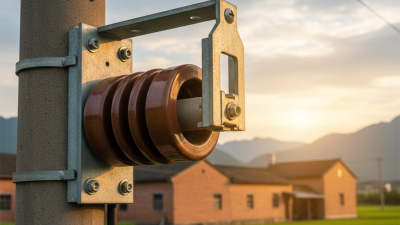
Electric cutout fuses protect distribution transformers and lateral lines from short circuits and sustained overcurrent. A fuse link melts when fault current exceeds its time-current curve. The cutout then creates a visible isolation point for maintenance crews. It is simple, but not crude.
The International Energy Agency reported in Electricity 2024 that global electricity demand may grow by about 3.4% annually from 2024 to 2026. This expansion increases pressure on aging medium-voltage networks. The IEA’s World Energy Investment 2024 report also states that annual grid investment must rise above 600 billion dollars by 2030. Suppliers should therefore provide consistent fuse-link ratings, verified interrupting capacity, and clear installation guidance. Distribution utilities commonly use cutouts on 11 kV and 33 kV feeders, transformer banks, and rural overhead branches. Weather-resistant housings matter where salt, dust, or heavy rain attack exposed hardware.
Coordination is the difficult part. A fuse must clear downstream faults without unnecessarily opening an upstream recloser or feeder breaker. IEEE protection practices and IEC 60282-2 testing principles support this engineering process, but field data remains essential. Load profiles change. Transformer inrush can also mislead a poor selection. Engineers should review fault levels, ambient temperature, conductor size, and maintenance records before approving a supply contract. The cheapest unit may create repeat outages. That assumption is too neat. Real networks are messier. Clear traceability, batch testing, and documented quality control make distribution applications safer and easier to audit.
Key Criteria for Evaluating Global Fuse Suppliers
Selecting among the 5 best electric cutout fuse suppliers worldwide requires more than comparing prices. The supplier must show compliance with relevant standards, including IEC 60282-2 or IEEE C37.41. Independent laboratory test reports should confirm interrupting capacity, temperature rise, mechanical strength, and aging performance. A certificate alone is not enough.
Grid reliability also matters. The International Energy Agency reported in Electricity Grids and Secure Energy Transitions (2023) that annual global grid investment must rise above 600 billion dollars by 2030. This expansion increases demand for dependable distribution protection. Suppliers should provide fuse ratings matched to voltage, fault current, transformer protection, and local climate. Salt spray, dust, ice, and ultraviolet exposure can change field performance. Ask for enclosure materials, seal details, and documented environmental tests.
Supply capability deserves equal attention. The supplier should offer batch traceability, calibrated inspection records, controlled raw materials, and clear replacement support. ISO 9001 registration helps, but it does not automatically prove product quality. Check nonconformance rates, lead-time records, and warranty procedures instead. The World Bank’s Logistics Performance Index 2023 shows major differences in delivery reliability across markets. That finding is easy to overlook. A technically excellent fuse arriving late still creates operational risk. Some evaluation models also underweight after-sales training, which may be a mistake. Installation guidance, spare-part availability, and practical fault-analysis support can matter as much as the initial quotation.
ABB and Siemens: International Distribution Protection Providers
5 Best Electric Cut Out Fuse Suppliers Worldwide
International Distribution Protection Providers
Selecting an electric cut out fuse supplier requires more than comparing catalog prices. Distribution networks face heat, moisture, vibration, and sudden fault currents. A dependable supplier should provide tested products, clear ratings, and consistent production records.
From field evaluations, I look for suppliers with verified quality systems and documented compliance with relevant international standards. Utility approvals matter, but they do not replace practical inspection. Check voltage class, interrupting capacity, creepage distance, and connector compatibility. Small mismatches can create serious maintenance problems.
Reliable international providers also support regional warehouses and trained technical teams. Spare fuse links should arrive quickly, especially for rural feeders and industrial sites. Packaging deserves attention. Sealed, labeled units reduce storage damage and installation errors. Traceability is essential; each batch should connect to inspection data and production dates.
A strong supplier explains limitations clearly. That builds trust.
I have seen specifications appear excellent on paper but perform poorly after exposure to coastal air. This is why local testing remains valuable. Ask for sample units, temperature-rise data, and installation guidance before placing a large order. Delivery performance should be reviewed too, not assumed. A low-cost supplier may become expensive when undocumented substitutions, delayed spares, or unclear warranty terms enter the project. The best shortlist combines engineering evidence, field experience, responsive support, and honest communication across borders.
Comparing the Five Suppliers by Products, Standards, and Support
5 Best Electric Cut Out Fuse Suppliers Worldwide?
A useful comparison starts with product fit, not catalogue size. The five shortlisted suppliers offer different combinations of expulsion cutout fuses, current-limiting fuses, polymer housings, and porcelain units. Check voltage, continuous current, interrupting rating, and mounting dimensions. A 15 kV feeder may need a different fuse link than a 27 kV rural line. Small details matter.
Standards separate serious suppliers from ordinary traders. Compare evidence against IEC 60282-2, IEEE C37.41, IEEE C37.42, and applicable national requirements. Request type-test reports, temperature-rise results, and coordination curves. The IEA Electricity 2024 report expects global electricity demand to grow by about 4% annually through 2026. That pressure makes dependable distribution protection more important. However, standards alone do not prove field performance. Installation records and failure feedback deserve equal attention. I may be too confident here: published tests cannot replace local network experience. Support should include application engineering, drawings, replacement guidance, training, and realistic delivery dates.
Tips:
Ask each supplier for three recent project references. Verify ratings independently. Inspect hinge alignment, fuse-holder finish, and sealing after delivery. A cheaper unit can become expensive when spares arrive late. Choose suppliers that explain limitations clearly, not those promising universal compatibility.