Top 10 Benefits of Drop Out Fuse Cut Out for Electrical Systems?
The "Drop Out Fuse Cut Out" plays a crucial role in modern electrical systems. Its benefits are evident in improved safety and reliability. According to industry expert Dr. Emily Johnson, “These devices enhance operational efficiency and reduce maintenance costs significantly.” The global demand for reliable electrical infrastructure continues to grow, making the role of Drop Out Fuse Cut Out more critical.
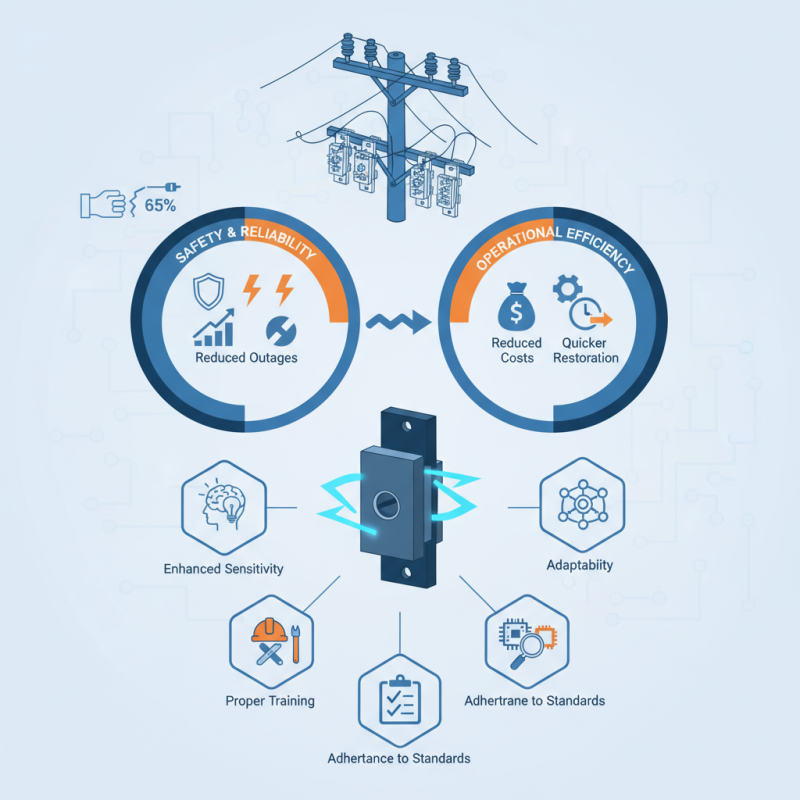
In fact, a recent report from the Electrical Safety Foundation International noted that over 65% of electrical failures can be traced back to inadequate fusing systems. The Drop Out Fuse Cut Out addresses these failures by minimizing outages and facilitating quicker restoration times. With advancements in technology, these fuses now boast enhanced sensitivity and adaptability.
However, the implementation of Drop Out Fuse Cut Out is not without its challenges. Although they present numerous advantages, improper installation can lead to performance issues. The industry must emphasize the importance of proper training and adherence to standards. A balanced approach that includes both innovation and reflection on past failures can pave the way for better solutions.
Understanding Drop Out Fuse Cut Outs in Electrical Systems
Drop Out Fuse Cut Outs (DOFCOs) play a vital role in electrical systems. They serve as protective devices for distribution networks. By isolating faulty sections quickly, DOFCOs minimize system-wide outages. According to the IEEE, effective fault management can reduce outage durations by up to 30%. This efficiency is crucial in maintaining a reliable power supply.
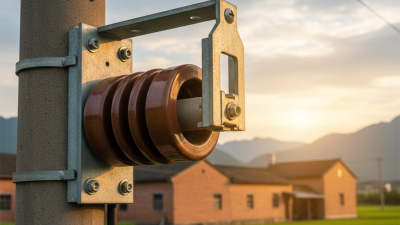
Installation of DOFCOs is straightforward. They are commonly found on overhead power lines. Their design allows for easy operation during maintenance. A report from the Electric Power Research Institute highlights that these devices have a lifespan of over 20 years, showcasing their durability. While they provide substantial benefits, some challenges arise, such as potential environmental factors that may impair their performance.
Despite their advantages, operators must remain vigilant. Regular inspection and maintenance are essential to ensure optimal function. Adverse weather conditions can impact their reliability. Enhancing training for personnel managing DOFCOs is necessary for safety and efficiency. Continued investment in technology and training will help address these challenges effectively.
Top 10 Benefits of Drop Out Fuse Cut Out for Electrical Systems
Key Advantages of Using Drop Out Fuse Cut Outs
Drop Out Fuse Cut Outs (DOFCUs) provide significant advantages for electrical systems. These devices enhance safety and reliability, essential in modern energy infrastructure. According to a report by the Insulated Conductors Committee, DOFCUs improve fault isolation capabilities by up to 40%. This reduction in fault duration minimizes equipment damage and system outages.
One of the key benefits of using DOFCUs is their ability to improve maintenance efficiency. Field data shows that these devices can reduce maintenance visits by approximately 30%. This is due to their design, which allows for easier access to fuses without the need for extensive system downtime. The streamlined process saves time and labor costs.
Tips: Regularly inspect drop out fuse cut outs for signs of wear or corrosion. This can prevent unexpected failures. Additionally, select installation locations wisely to maximize ease of access. Keep in mind that while DOFCUs offer many advantages, improper installation may lead to unexpected issues. Always rely on industry best practices to ensure optimal performance.
Top 10 Benefits of Drop Out Fuse Cut Out for Electrical Systems
| Benefit |
Description |
| Reliability |
Drop out fuse cut outs provide a reliable way to protect electrical systems from overload and short circuits. |
| Easy Maintenance |
These devices allow for easy and safe maintenance without the need to disconnect the whole system. |
| Cost-Effective |
Utilizing drop out fuse cut outs can reduce overall system costs by preventing expensive damage from faults. |
| Compact Design |
Their compact nature allows for installation in limited spaces while still maintaining performance. |
| Safety |
Drop out fuse cut outs enhance safety by ensuring that the circuit can be interrupted quickly in case of an overload. |
| Versatility |
These systems can be used for various applications, supporting different voltage and current ratings. |
| Improves System Performance |
Drop out fuse cut outs help optimize the performance of electrical systems by ensuring proper circuit protection. |
| Environmentally Friendly |
These devices have a minimal environmental impact compared to other protection mechanisms. |
| Long Lifespan |
Drop out fuse cut outs are designed for durability and can offer a longer lifespan under normal operating conditions. |
| Fast Restoration |
They allow for quicker restoration of service after a fault, minimizing downtime for electrical systems. |
Impact on System Reliability and Safety in Electrical Grids
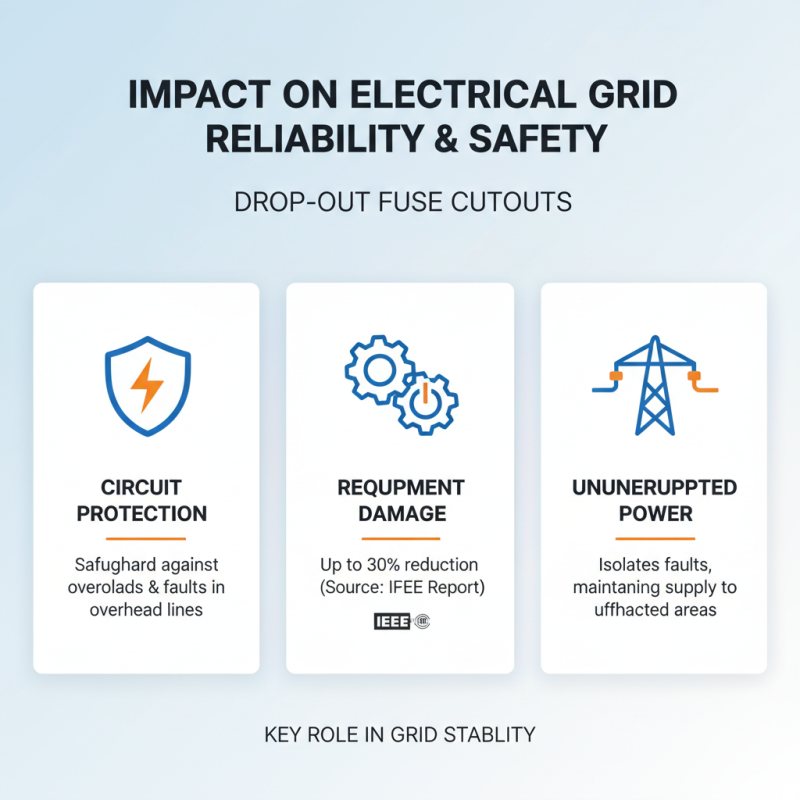
Drop out fuse cut outs play a crucial role in maintaining system reliability and safety in electrical grids. These devices, often used in overhead power lines, help protect circuits from overload and faults. According to a report by the Institute of Electrical and Electronics Engineers (IEEE), proper use of fuse cut outs can reduce equipment damage by up to 30%. By isolating faulty sections, they ensure uninterrupted power supply to unaffected areas.
The reliability of electrical systems directly impacts consumers and industries. A 2020 study indicated that interruptions in power supply can cost U.S. businesses over $150 billion annually. Fuse cut outs mitigate these risks by enabling swift repairs. However, an area for improvement exists in educating staff on proper installation and maintenance. Regular training ensures that these systems function as intended, reducing potential hazards.
Moreover, the implementation of fuse cut outs contributes to enhanced safety. The National Electric Safety Code (NESC) recognizes their importance in minimizing electrical hazards. Yet, a survey showed that less than 50% of utility workers feel adequately informed about their operation. Investing in training and resources is essential. Effective communication about these devices can lead to stronger safety protocols and greater reliability in electrical grids.
Cost Efficiency and Maintenance Benefits of Fuse Cut Outs
Drop out fuse cut outs are a key component of electrical systems. They serve a vital role in protecting equipment from overcurrent situations. One significant advantage of these systems is their cost efficiency. They reduce operational costs over time, as they are easy to install and maintain. A reliable cut out minimizes downtime, ensuring that businesses can continue their operations smoothly.
Maintenance benefits of fuse cut outs are noteworthy. Routine checks are simplified due to their accessible design. This ease encourages regular inspections, leading to fewer unexpected failures. A well-maintained fuse cut out can extend the life of connected equipment. This reduces replacement costs significantly, which is crucial for budget-conscious organizations.
However, not every installation is perfect. Some may overlook the importance of following guidelines during setup. Improper installation can lead to more issues down the line. Clear communication with professionals can ensure better outcomes. Recognizing these potential pitfalls is essential for optimizing the system's performance.
Installation and Operational Considerations for Fuse Cut Outs
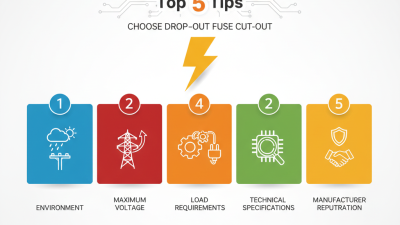
When considering installation for drop-out fuse cut-outs, several factors should be in focus. Proper location is critical. The unit should be accessible for maintenance yet positioned to minimize environmental impact. According to industry reports, poorly placed cut-outs can lead to increased downtime, sometimes up to 15% more than well-sited units.
Operational considerations must address load and electrical ratings. Many fuse cut-outs are rated for different capacities. Selecting the wrong type can result in failure and equipment damage. The National Electrical Manufacturers Association highlights that components operating beyond their ratings experience a significantly higher failure rate—up to 40%.
Routine inspections play a key role, too. Regular maintenance can prevent failures, but many operators neglect necessary checks. It’s essential to keep connections clean and secure. Loose connections may create hotspots, leading to unplanned outages. Failure to consider these operational aspects can lead to costly repercussions. Each installation requires thoughtful planning to ensure long-term reliability.