Choosing the right Electric Cut Out Fuse is not a simple matter of matching a number on a package. A dependable choice protects equipment, limits fault damage, and supports safer maintenance. Yet small details often matter more than expected.
This guide presents seven practical tips for evaluating an Electric Cut Out Fuse before installation. It considers voltage, current rating, breaking capacity, fuse characteristics, enclosure conditions, and system compatibility. It also highlights supplier reliability and documentation. On a real distribution panel, dust, moisture, loose terminals, or heat can change performance. A fuse that looks suitable in a catalogue may behave differently inside a crowded outdoor cabinet. Check the details.
Good decisions begin with verified information. Confirm the circuit design, review the manufacturer’s technical data, and ask a qualified electrical professional to assess uncertain applications. Local electrical standards and site requirements should guide the final selection. Never rely on appearance alone. A clean label is not proof of compatibility.
Some assumptions fail.
Even experienced teams can overlook cable size, prospective fault current, or the correct fuse curve. That is why each tip encourages a second check, not blind confidence. The goal is not merely to buy a fuse that fits. It is to select a tested, correctly rated component that suits the complete electrical system. Careful comparison may take a few extra minutes, but replacing damaged equipment takes much longer.
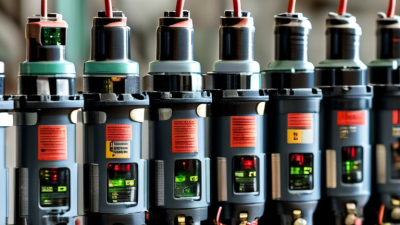
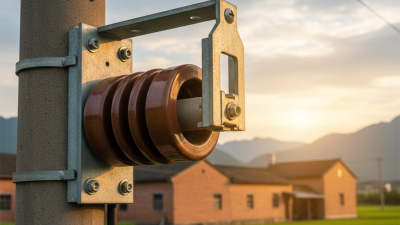
An electric cut out fuse is commonly installed on overhead distribution lines to protect transformers and line branches from excessive current. When a fault occurs, its fuse link melts and interrupts the circuit, helping limit equipment damage. Many cutouts also drop open, making the interruption visible from the ground. That visible gap is not proof that equipment is safe to touch. Details matter.
Tip: Match the cutout’s voltage rating, continuous current rating, and interrupting capacity to the system and expected fault conditions. Check fuse-link compatibility and coordination with upstream and downstream protection, too. A mismatch can cause unnecessary outages or inadequate protection. One detail is easy to miss: salt, dust, wind, and ice can affect performance at exposed sites. Review the equipment specifications and local utility requirements with a qualified electrical professional.
Cutouts are used on pole-mounted transformers, overhead taps, and other distribution points where reliable fault isolation matters. Consider the mounting arrangement, insulation level, and expected maintenance access before choosing a unit. Tip: Confirm that replacement fuse links are available and approved for the cutout. Field conditions can differ from a neat drawing, and that deserves a second look. Selection should be checked against current engineering documents, not appearance alone.
When selecting an electric cut out fuse, match its voltage rating to the system. The rating must be at least as high as the circuit’s maximum operating voltage, including relevant phase-to-earth conditions. A mismatch can compromise insulation and interruption performance. Check the equipment label and supply drawings; assumptions based on a familiar network can be wrong.
Current needs closer attention than simply matching the normal load. Record expected load current, starting surges, and likely future changes, then coordinate the fuse with the cable’s safe current capacity. A fuse that is too small may operate during routine inrush; one that is too large may leave conductors inadequately protected. Small details matter. For example, a motor circuit can draw a brief, sharp surge at startup. Verify the fuse’s time-current characteristics against that duty, not just its printed ampere rating.
Breaking capacity is the maximum fault current the fuse can safely interrupt at its rated voltage. Compare it with the prospective short-circuit current at the installation point, using a verified system calculation. It must not be lower. Do not guess. If fault-level data or coordination information is missing, have a qualified electrical professional confirm the selection. Even careful estimates can miss changes in transformer size or upstream impedance. The paperwork may feel tedious, but it helps ensure the fuse can operate safely under the worst conditions.
Choosing an electric cutout fuse starts with the system, not the catalog. Confirm nominal voltage, maximum system voltage, continuous load, and available fault current using verified project data. The fuse link must coordinate with upstream and downstream protection, and its interrupting rating must meet the fault level. Do not size it from normal load alone. Shortcuts can leave equipment unprotected.
Match the fuse type to the installation and duty. Some links are designed for specific cutout bodies or protection curves, so physical fit does not prove electrical compatibility. Check published ratings and the utility or engineering specification. Review expected overloads, transformer inrush, and time-current coordination. Exact numbers matter. If data is incomplete, pause and consult a qualified power-system engineer; guessing is not a design method.
Mounting configuration affects performance and maintenance access. Verify pole or crossarm strength, operating orientation, phase spacing, insulation clearance, and exposure to salt, dust, ice, or heavy rain. Confirm the cutout’s voltage class and mounting hardware suit the site. Keep the fuse holder accessible to trained crews, but clear of walkways and routine contact. A drawing can look right and still miss a field obstruction. Recheck dimensions against the actual structure before ordering. Site conditions and applicable standards vary, so have a qualified professional approve the final selection and installation.
| Tip | Selection factor | What to check | Practical guidance |
|---|---|---|---|
| 1 | System voltage | Confirm the system’s nominal and maximum operating voltage, grounding arrangement, and required insulation level. | Choose a cutout with a voltage rating suitable for the system and its applicable utility or electrical standards. Do not select by nominal voltage alone. |
| 2 | Continuous current rating | Check the expected load current, anticipated load growth, conductor limits, and the cutout’s continuous-current rating. | The cutout’s current rating and the fuse-link rating are separate checks. Both must suit the equipment and installation. |
| 3 | Interrupting capability | Determine the maximum available fault current at the installation point and compare it with the cutout’s interrupting rating. | The interrupting rating must be adequate for the prospective fault current under the specified operating conditions. |
| 4 | Fuse-link type and speed | Identify the cutout’s compatible fuse-link family and the protection behavior required for the protected transformer, line, or branch. | Use only a link type approved for the cutout. Coordinate its time-current characteristics with upstream and downstream protective devices. |
| 5 | Fuse-link ampere rating | Consider normal and peak load, transformer inrush, cold-load pickup where applicable, and the protected equipment’s limits. | Do not size a link from load current alone. Follow the equipment manufacturer’s guidance and the system protection-coordination study. |
| 6 | Mounting configuration | Verify pole or structure arrangement, mounting orientation, phase spacing, conductor connection, clearance, and operating access. | Confirm that the cutout’s mounting and terminal arrangement match the site. Maintain required electrical clearances and safe working access. |
| 7 | Environment and standards | Assess outdoor exposure, contamination, temperature, altitude, corrosion risk, and the standards or utility specifications that apply. | Select insulation and construction suitable for the service environment, and verify inspection, installation, and maintenance requirements before energizing. |
Safety note: Electric cutouts are medium-voltage protective devices. Final selection, installation, and coordination should be verified by qualified electrical personnel using current equipment documentation and applicable codes and utility requirements.
7 Tips for Choosing the Right Electric Cut Out Fuse
Evaluating Safety Standards, Materials, and Environmental Conditions
Tip 1: Check the safety documentation before comparing prices. Confirm that the fuse’s voltage, current, and interrupting ratings match the equipment and fault levels at the installation point. Look for applicable standards and test records, not just a label. Requirements can vary by region and utility. Ask a qualified electrical professional to verify the selection.
Tip 2: Match materials to the actual site. Porcelain may suit some installations, while polymer housings can be lighter; neither is automatically right. Consider sunlight, salt spray, dust, moisture, and temperature swings. These details matter. For example, a coastal pole may need better corrosion resistance, while heavy pollution can increase surface tracking risks. Check the manufacturer’s documented limits and inspection guidance.
Tip 3: Think beyond the first day. Review creepage distance, seals, hardware, and how the fuse can be safely inspected or replaced. A datasheet may look reassuring, but it cannot describe every site condition. I would recheck assumptions after a site survey, especially where unusual contamination or wind-driven rain occurs. When conditions are uncertain, pause and get an engineer’s assessment rather than guessing.
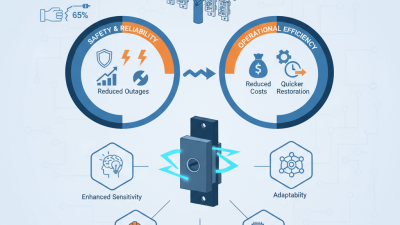
Choosing an electric cutout fuse means comparing inspection work, fault response, and replacement costs. Start with the installation environment. Salt, dust, moisture, and repeated wind movement can accelerate corrosion or wear around contacts and hardware. A fuse that is easy to inspect from the ground may reduce routine crew time, though access and safety procedures still matter.
Reliability needs context. The U.S. Energy Information Administration’s 2022 Form EIA-861 data reported about 5.5 hours of average customer interruption time, including major-event days. That is a system-wide measure, not a score for any individual fuse. Still, it shows why utilities track interruption duration alongside equipment condition. Check whether the fuse’s voltage and interrupting ratings match the system, then review field records for nuisance operations, difficult replacements, and fault-clearing performance. Small details matter: a stiff hinge or damaged contact can turn a quick inspection into a crew visit.
Total operating cost includes more than the purchase price. Include inspections, truck rolls, spare units, outage exposure, and the labor needed after an operation. IEEE 1366 provides standard reliability indices such as SAIDI and SAIFI, useful for connecting equipment events with service impacts. I still find cost comparisons easy to oversimplify: local labor rates and storm exposure can change the result sharply. Compare options using your own maintenance logs, and document assumptions clearly. A tidy spreadsheet is helpful, but it cannot replace field judgment.
Illustrative per-device planning scenario comparing three fuse options. Lower maintenance hours and fewer modeled interruptions indicate better performance.
Example estimates: expulsion fuse cutout ($420, 0.35 maintenance hours per device-year, 1.8 modeled interruptions per 100 device-years); sealed polymer-housed expulsion cutout ($510, 0.25 hours, 1.5 interruptions); current-limiting fuse assembly ($690, 0.20 hours, 1.2 interruptions). Costs are illustrative USD estimates that include purchase, routine maintenance, and expected replacements over 10 years. Actual results depend on system conditions, fault exposure, installation, and local labor costs; validate assumptions for your application.