Top 10 Benefits of Zinc Oxide Surge Arrester for Buyers?
In the world of electrical safety, the term "Zinc Oxide Surge Arrester" has become synonymous with protection and reliability. Dr. Emily Johnson, a leading expert in electrical engineering, states, "Zinc Oxide Surge Arresters are essential for safeguarding electrical systems against unpredictable surges." This statement resonates deeply with buyers seeking durable and effective solutions.
The benefits of Zinc Oxide Surge Arresters are numerous. These devices not only provide superior surge protection but also demonstrate impressive longevity and performance. Their ability to dissipate surges efficiently is crucial in an era where electrical equipment is more vulnerable than ever. By integrating these arresters, businesses can prevent costly damage and ensure uninterrupted operations.
However, buyers should also reflect on their specific needs. Not all Zinc Oxide Surge Arresters are created equal. It's vital to assess factors like voltage ratings and application environments. A rushed decision could lead to inadequate protection, which defeats the purpose of investing in these systems. The goal is to choose wisely for long-term safety and efficiency.
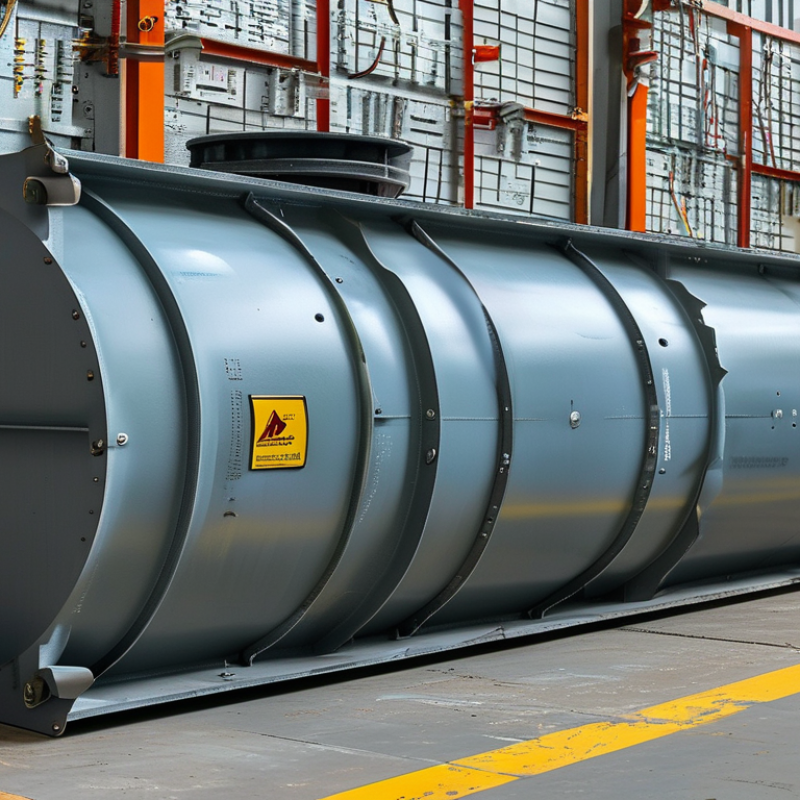
Key Features of Zinc Oxide Surge Arresters for Buyers
Zinc oxide surge arresters (ZOSAs) are essential for protecting electrical systems. They offer several key features that make them valuable for buyers. One of the primary benefits is their fast response time. Reports indicate that ZOSAs can react within nanoseconds. This rapid response helps to minimize damage during electrical surges.
Another important feature is the wide operating voltage range. Most ZOSAs can handle voltages from 1 kV to over 100 kV. This versatility allows them to be used in various applications. Additionally, ZOSAs have a high energy absorption capability. Studies show they can absorb surges of up to several thousand joules. This capability reduces the risk of equipment failure.
Longevity is another advantage. Zinc oxide materials can last up to 30 years without significant deterioration. Buyers can rely on this durability, reducing replacement costs. Many buyers might overlook maintenance needs, thinking ZOSAs are maintenance-free. Regular inspections are recommended to ensure they function correctly. The reliability of ZOSAs contributes to system stability, but they are not infallible. The importance of proper installation and environmental considerations cannot be overstated.
Top 10 Benefits of Zinc Oxide Surge Arresters
Advantages of Utilizing Zinc Oxide Technology in Surge Protection
Zinc oxide technology is revolutionizing surge protection. One significant advantage is its high energy absorption capability. Studies indicate that zinc oxide surge arresters can handle surges up to 100 kA. This makes them suitable for industrial and commercial applications. They can protect equipment from voltage spikes caused by lightning or switching operations. This feature becomes crucial in critical infrastructure where downtime can lead to substantial financial losses.
Another key benefit is the low clamping voltage of zinc oxide devices. Reports show that they can limit voltages to just a few hundred volts during a surge. This precision protects sensitive electronics effectively. Traditional ceramic arresters, on the other hand, have higher clamping voltages. They may not provide adequate protection for today's advanced equipment. The ability to protect precision electronics enhances the reliability of systems in various sectors, including healthcare and data centers.
Additionally, zinc oxide surge arresters are environmentally friendly. They do not contain harmful materials found in other technologies. This aspect is appealing to businesses aiming for sustainability. Users should be aware of the potential for unexpected failures. While zinc oxide devices are reliable, aging and environmental factors can impact their performance. Regular inspection and maintenance are essential for optimal protection.
Cost-Effectiveness of Zinc Oxide Surge Arresters Over Alternatives
Zinc oxide surge arresters offer a cost-effective solution for electrical systems. Their ability to handle high voltage transients ensures minimal downtime. This reliability saves companies money in the long run. Compared to traditional silicon carbide devices, zinc oxide options feature lower energy loss. This efficiency translates into reduced operational costs for businesses.
Another key aspect is their lower maintenance needs. Zinc oxide devices typically last longer and require fewer replacements. This longevity further improves their overall cost-effectiveness. However, some users experience confusion over installation standards. Proper guidance is essential for maximizing performance.
Investing in zinc oxide surge arresters also means fewer risks associated with electrical surges. This protection minimizes potential damage to equipment. Choosing the right product plays a significant role in achieving the best results. Buyers should focus on selecting units that meet their specific needs. By making informed decisions, they can fully harness the benefits offered by zinc oxide surge arresters.
Durability and Longevity of Zinc Oxide Surge Arresters
Zinc oxide surge arresters are known for their impressive durability and longevity, making them a preferred choice in many electrical applications. According to a report by the Institute of Electrical and Electronics Engineers (IEEE), these devices can last for more than 20 years under normal operating conditions. This lifespan is significantly longer compared to traditional silicon carbide arresters, which often require replacement after a decade. The advantage lies in the zinc oxide's robust construction, which effectively withstands surge events.
In terms of performance, zinc oxide surge arresters exhibit a high level of energy absorption. A study published in the Journal of Electrical Engineering highlighted that these devices can absorb surge energies exceeding 30 kJ. This capacity greatly reduces the likelihood of electrical system failures. However, it’s crucial to note that environmental factors can influence their longevity. For instance, extreme temperatures and humidity levels need careful consideration when selecting these arresters. Regular maintenance is also essential for ensuring optimal performance over time.
Applications of Zinc Oxide Surge Arresters in Various Industries
Zinc oxide surge arresters play a vital role in protecting electrical equipment across various industries. These devices are essential in power generation, telecommunications, and manufacturing. Their ability to absorb and neutralize transient voltages helps prevent equipment damage. This feature is critical in industries where constant uptime is necessary.
In power generation, zinc oxide surge arresters safeguard transformers and generators from voltage spikes. Without them, infrastructure can suffer severe damage during thunderstorms or electrical faults. Telecommunications also benefit significantly; surge arresters protect sensitive network equipment from lightning strikes. In manufacturing, where machinery is susceptible to voltage fluctuations, these devices ensure operational reliability and efficiency.
Despite their advantages, users should recognize potential limitations. Not all surge arresters perform equally under extreme conditions. Some might need regular maintenance checks to ensure optimal functionality. It's essential for buyers to understand these nuances. Investing in knowledge about surge arresters helps in selecting the right equipment. This informed approach leads to better protection strategies across diverse applications.
Top 10 Benefits of Zinc Oxide Surge Arrester for Buyers
| Benefit |
Description |
Application Areas |
Expected Lifespan |
| High Energy Absorption |
Can handle large voltage surges effectively. |
Power Distribution Systems |
Up to 20 years |
| Fast Response Time |
React instantly to voltage spikes. |
Telecommunications |
15 to 20 years |
| Low Residual Voltage |
Minimizes damaging voltage levels. |
Renewable Energy Facilities |
20 years |
| Robust Construction |
Durable and weather-resistant. |
Industrial Machinery |
30 years |
| Environmentally Friendly |
Made from non-toxic materials. |
Building Protection Systems |
Indefinite with proper maintenance |
| Cost-Effective |
Long-term savings on repairs and replacements. |
Data Centers |
15 to 25 years |
| Versatile Applications |
Can be used in various industries. |
Oil & Gas |
10 to 20 years |
| Improved System Reliability |
Enhances the safety of electrical systems. |
Transportation Infrastructure |
20 years |
| Easy Installation |
Can be easily integrated into existing systems. |
Residential Applications |
15 years |
| Prevention of Downtime |
Reduces interruptions in service. |
Manufacturing Plants |
20 years |