Top Benefits of Using Zinc Oxide Arresters for Power Systems?
The importance of effective surge protection in power systems cannot be overstated. Zinc Oxide Arresters have become a cornerstone in this field. According to a recent industry report by the International Electrotechnical Commission (IEC), the global market for surge protection devices is expected to reach $2.1 billion by 2025, highlighting the growing demand for reliable solutions like Zinc Oxide Arresters.
Renowned expert Dr. Alex Morgan emphasized, "Zinc Oxide Arresters provide unparalleled protection against voltage surges, ensuring the longevity of electrical systems." This level of protection is crucial in preventing equipment damage due to transient voltages. Zinc Oxide Arresters not only enhance system reliability but also contribute to reduced downtime and maintenance costs.
Their robust performance sets them apart from traditional technologies. However, some challenges remain. Understanding installation requirements and performance under extreme conditions is essential for optimal use. Addressing these issues ensures that the benefits of Zinc Oxide Arresters can be fully realized.
Understanding Zinc Oxide Arresters and Their Function in Power Systems
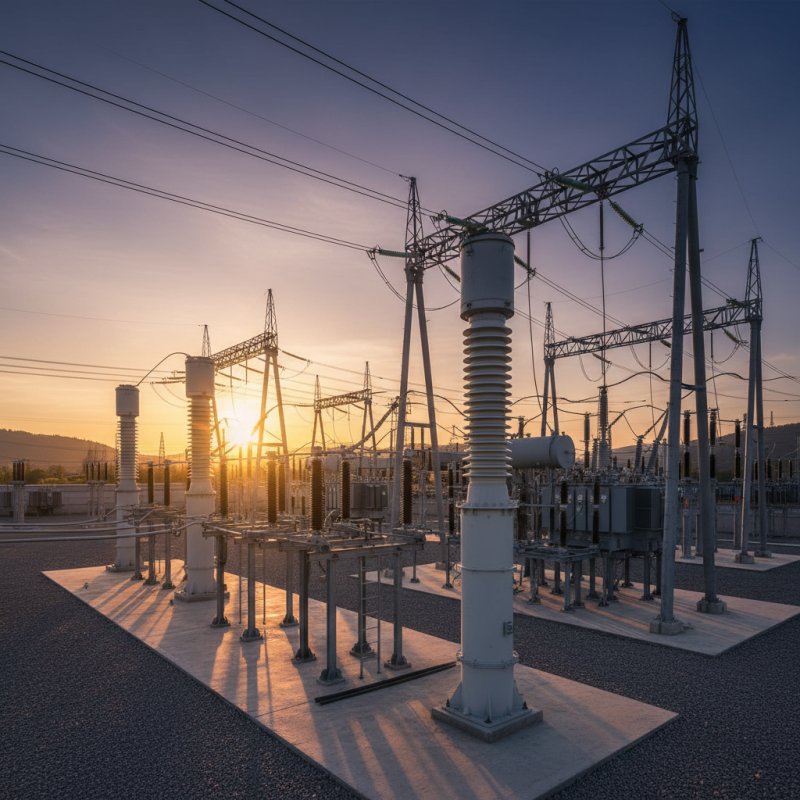
Zinc oxide arresters play a crucial role in power systems. They are designed to protect electrical equipment from voltage surges. These surges can arise from lightning strikes or switching operations in power lines. According to a report from the IEEE, over 70% of power system failures are linked to voltage surges. This highlights the necessity of effective surge protection.
The function of zinc oxide arresters hinges on their ability to absorb excess voltage. When a surge occurs, they divert the excess energy away from sensitive equipment. This action helps maintain system integrity and reduces downtime. Organizations using these arresters often see a decrease in maintenance costs by up to 30%. The reliability of zinc oxide technology is backed by years of research and usage data, reaffirming its position in modern power systems.
While zinc oxide arresters are effective, challenges remain. Some installations may experience issues due to environmental factors. It is vital to consistently monitor their performance. Regular inspections can identify potential weaknesses before they lead to failures. Balancing cost with reliability continues to be a concern for many power companies. Enhanced training on surge protectors is needed, ensuring all personnel understand their operation and maintenance.
Key Advantages of Utilizing Zinc Oxide Arresters in Electrical Networks
Zinc oxide arresters are vital for enhancing power system reliability. They protect against voltage spikes and surges. This protection is crucial for sensitive equipment. Electrical networks benefit significantly from their application.
One key advantage is their fast response time. When a surge occurs, they act swiftly to divert the excess voltage. This minimizes damage to transformers and switchgear. They also have a high energy absorption capability. This ensures that even large surges do not compromise system integrity. Users appreciate their low maintenance requirements.
Tips: Regularly inspect arresters for signs of wear. Ensure they are correctly rated for your system. While zinc oxide arresters are durable, they are not infallible. Consider backup protection measures to enhance system security. Ultimately, they add considerable value to electrical networks.
Comparative Analysis: Zinc Oxide Arresters vs. Traditional Surge Arresters
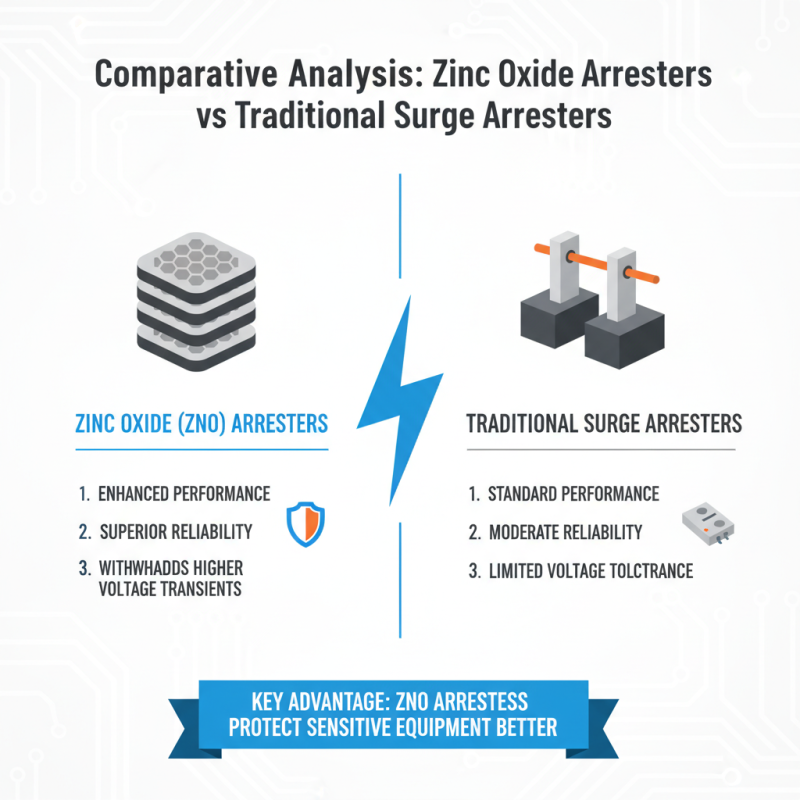
Zinc oxide (ZnO) arresters have gained popularity in power systems, especially when compared to traditional surge arresters. The unique properties of zinc oxide offer enhanced performance and reliability, a noteworthy advantage. According to industry reports, ZnO arresters can withstand higher voltage transients, making them more effective in protecting sensitive equipment.
One major difference between ZnO arresters and traditional silicon carbide types is their response time. Zinc oxide arresters respond faster to over-voltage conditions. This rapid response minimizes the risk of equipment damage. Additionally, the failure mode of ZnO arresters is more graceful, meaning they tend to fail safely without catastrophic results.
**Tip:** Regular inspections of both types are essential. Monitor for any signs of degradation. Early detection aids in prolonging equipment life.
Another consideration is the temperature range for effective operation. Studies have shown that ZnO components perform well in extreme temperatures. However, traditional arresters may degrade quicker under similar conditions. While ZnO arresters are generally more reliable, they are not infallible. It's crucial to assess site conditions regularly.
**Tip:** Always consult with engineers to ensure the right type is selected. Customized approaches can lead to better protection outcomes. Attention to detail here matters.
Insights into the Longevity and Durability of Zinc Oxide Arresters
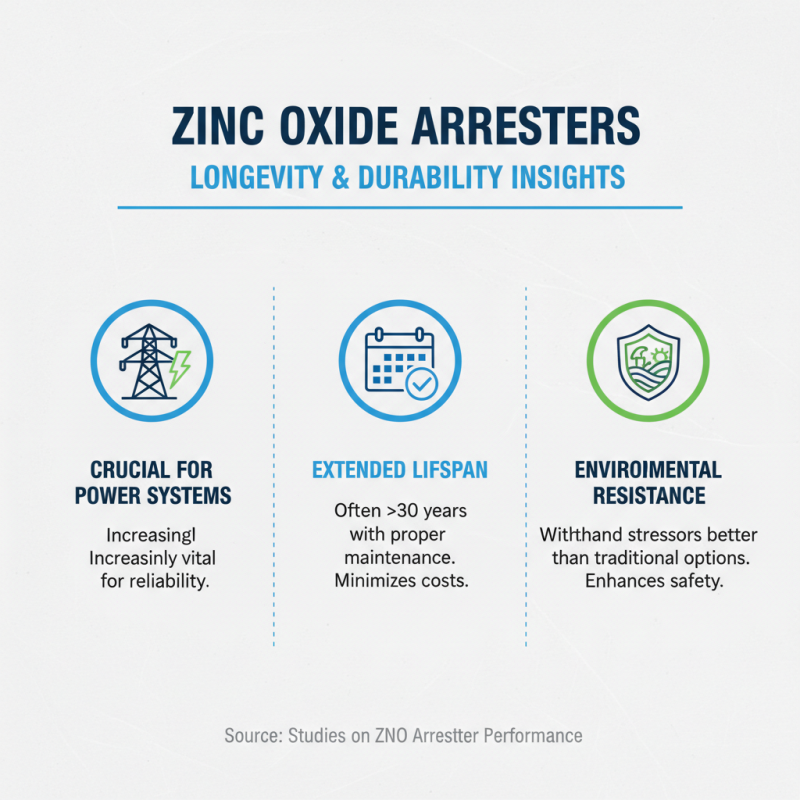
Zinc oxide arresters are increasingly vital for power systems, primarily due to their longevity and durability. Studies indicate that these devices can withstand environmental stressors better than traditional options. For instance, they exhibit a significantly extended lifespan, often exceeding 30 years with proper maintenance. This lifespan is crucial for utilities aiming to minimize costs while ensuring safety.
The robustness of zinc oxide arresters lies in their material properties. They can handle high voltage surges efficiently, absorbing and dissipating excess energy. In fact, reports show that they can manage repetitive surges, which often lead to equipment failure in less resilient devices. This capability reduces downtime and maintenance needs, translating into operational savings for power systems.
However, some concerns persist. The performance of zinc oxide arresters can be compromised if not appropriately monitored. Over time, environmental factors like humidity and temperature fluctuations may impact efficiency. Organizations must implement regular assessments to ensure maximum effectiveness. Continuous research is necessary to address these challenges and optimize the reliability of zinc oxide arresters further.
Impact of Zinc Oxide Arresters on Power System Reliability and Safety
Zinc oxide arresters play a crucial role in enhancing power system reliability. They protect circuits from voltage surges caused by lightning or switching actions. These devices absorb excess energy, preventing damage to sensitive equipment and ensuring uninterrupted service. Their ability to respond quickly to surges is vital for maintaining system integrity.
In terms of safety, zinc oxide arresters reduce the risk of electrical fires and equipment failure. This is especially important in industrial settings, where equipment can be expensive and vital for operations. However, while they offer many benefits, they require regular maintenance to function optimally. Neglecting this can lead to decreased performance and potential hazards.
Power systems heavily rely on the effectiveness of these devices. The challenge is to balance the cost of installation and maintenance with the long-term benefits they provide. Investing in reliable surge protection is essential, but organizations must also be prepared for periodic inspections and potential replacements. Investing in education about these devices can lead to better safety practices and more resilient power systems.
Top Benefits of Using Zinc Oxide Arresters for Power Systems
The chart illustrates the top five benefits of using Zinc Oxide Arresters in power systems, highlighting their impact on safety, maintenance costs, reliability, performance, and equipment lifespan.