2026 Top General Purpose Fuses What You Need to Know?
In the ever-evolving world of electrical components, General Purpose Fuses remain crucial for protecting circuits from overloads. According to the latest market report by Technavio, the global fuse market is expected to witness a growth rate of over 5% annually through 2026. As industries become more reliant on sophisticated electronic devices, the demand for reliable fuse solutions continues to rise.
Experts, like Dr. Amanda Reilly, a leading figure in fuse technology, emphasize the importance of understanding these components. She states, "General Purpose Fuses are vital for ensuring safety and efficiency in electrical systems." This highlights their role not only in safety but also in operational reliability.
However, navigating through the variety of fuses can be overwhelming. With advancements and changing standards, the industry faces challenges. Selecting the right fuse requires careful consideration of application specifics and compliance with emerging regulations. Understanding these complexities is key to making informed decisions in fuse selection.
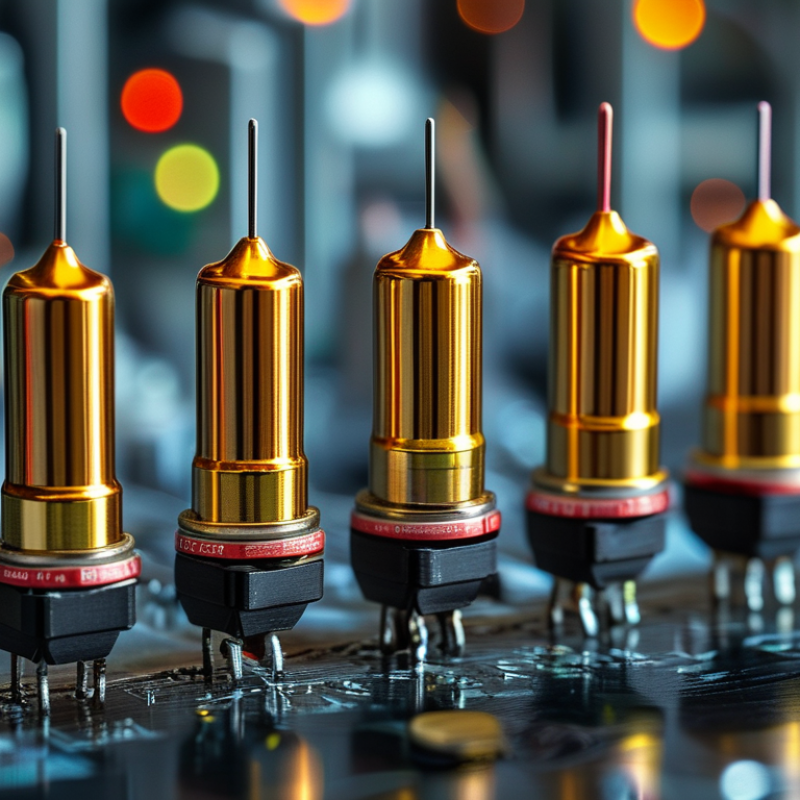
Understanding General Purpose Fuses: Definition and Functionality
General purpose fuses are essential safety devices used in electrical circuits. Their main function is to protect circuits from overloads and short circuits. When the current exceeds a safe level, the fuse will blow. This action interrupts the circuit, preventing damage to connected devices.
Understanding how these fuses work can sometimes feel complex. They are designed with specific ratings that determine when they will blow. It’s crucial to choose the right fuse for your application. Using the wrong type can lead to either frequent failures or insufficient protection. Observing how these devices function offers insights into their reliability.
Despite their simplicity, general purpose fuses can sometimes fail without clear reasons. Investigating these failures can reveal patterns. It may involve checking for compatibility with devices or examining environmental factors. Learning from these situations enhances understanding and application of fuses in practical scenarios.
Types of General Purpose Fuses and Their Applications
General purpose fuses play a vital role in electrical systems. They protect against overloads and short circuits. Understanding the different types can help you make informed choices for your applications.
There are several types of general-purpose fuses. Fast-acting fuses respond quickly to overloads, providing critical protection in sensitive circuits. On the other hand, slow-blow fuses can tolerate temporary surges, making them ideal for devices like motors. According to a recent industry report, around 35% of electrical faults can be mitigated with the correct fuse selection. This emphasizes the importance of matching the fuse type to your specific needs.
Tips: Always consider the application environment. Certain fuses work better in damp or high-temperature conditions. Regular maintenance is also essential. Check for signs of wear or damage. Choosing the right fuse isn’t just about protection; it's about ensuring the longevity of your electrical system.
Key Factors to Consider When Choosing a Fuse
Choosing the right general-purpose fuse is crucial for electrical safety and efficiency. One must consider several factors when selecting a fuse. The voltage rating is essential. Ensure it matches your application. The current rating is also vital. Selecting a fuse with the right amperage prevents overheating and failure.
Material plays a significant role in fuse effectiveness. Common materials include glass and ceramic. Each has unique properties affecting performance. Glass fuses tend to be easier to inspect but may not endure extreme conditions. Ceramic fuses offer better resistance to high temperatures.
Tips: Always check the manufacturer's specifications. Some fuses may look similar but have different ratings. Understanding the environment where the fuse operates is key. High humidity or temperature changes can alter performance. Don't underestimate the importance of regular checks. Fuses should be replaced when they blow to maintain safety.
Safety Standards and Ratings for General Purpose Fuses
When considering general-purpose fuses, understanding safety standards and ratings is crucial. These components protect electrical circuits from overloads and short circuits. Each fuse must comply with specific regulations to ensure reliability and safety. Various organizations, like UL and IEC, set these standards. They test fuses under different conditions to prove their efficacy.
Safety ratings indicate how well a fuse can handle faults. Look for characteristics like voltage rating, current rating, and breaking capacity. These factors determine a fuse's suitability for specific applications. Incorrect ratings can lead to failure or hazards, emphasizing the need for accurate selection. However, not all products meet these ratings consistently.
It is essential to regularly review the fuses in use. Over time, conditions change, making some fuses less effective. Engineers recommend checking ratings against current needs. Neglecting these updates can result in dangerous situations. Always prioritize safety by choosing fuses that adhere to the latest standards. In this evolving field, staying informed and proactive is key.
Future Trends in General Purpose Fuse Technology and Innovation
The future of general-purpose fuses is changing rapidly. Innovation in fuse technology is crucial as electrical systems become more complex. Reports indicate that the global fuse market is expected to reach $6.2 billion by 2026. This growth is driven by advancements in safety and efficiency.
One emerging trend is the adoption of smart fuses. These devices have integrated sensors that provide real-time data on circuit performance. They can predict failures before they happen. This proactive approach minimizes downtime. Data shows that companies implementing smart fuses see a 25% reduction in maintenance costs.
Another significant development is the shift toward eco-friendly materials. Manufacturers are investing in sustainable alternatives that do not compromise on performance. Reports highlight that 40% of industry leaders are prioritizing sustainability in their production processes. However, challenges remain. The transition requires careful planning and investment. Not all companies are equipped to meet these new standards.
2026 Top General Purpose Fuses What You Need to Know? - Future Trends in General Purpose Fuse Technology and Innovation
| Fuse Type |
Current Rating (A) |
Voltage Rating (V) |
Application |
Technology Trends |
| Glass Tube Fuse |
5-30 A |
250 V |
Household Appliances |
Growing preference for recyclable materials |
| Ceramic Fuse |
1-50 A |
500 V |
Industrial Equipment |
Integration of smart monitoring technologies |
| Blade Fuse |
5-80 A |
32 V |
Automotive |
Improved temperature tolerance |
| Plug Fuse |
10-30 A |
240 V |
Residential |
Enhanced safety features in design |
| Automotive Fuse |
2-40 A |
12-48 V |
Electric Vehicles |
Development of miniaturized and efficient designs |