Why Choose Zinc Oxide Surge Arrester for Your Power Needs?
In today's energy landscape, selecting the right protective equipment is crucial. The Zinc Oxide Surge Arrester has emerged as a dependable choice for many power systems. According to Dr. Emily Johnson, a leading expert in electrical engineering, "Zinc Oxide Surge Arresters provide unrivaled protection against surges." This statement reflects the growing reliance on this technology.
Surge arresters are vital in safeguarding electrical installations from voltage spikes. The Zinc Oxide variant stands out due to its efficiency and durability. Unlike traditional arresters, it offers lower clamping voltage and a longer lifespan. Companies are recognizing the long-term benefits, but some still rely on outdated technologies. This hesitation can lead to vulnerabilities in infrastructure.
While Zinc Oxide Surge Arresters are not without flaws, their advantages are significant. For instance, they can be more sensitive to humidity. Proper installation and regular maintenance are essential to maximize their effectiveness. Overall, investing in Zinc Oxide technology can enhance system reliability and protect critical assets.
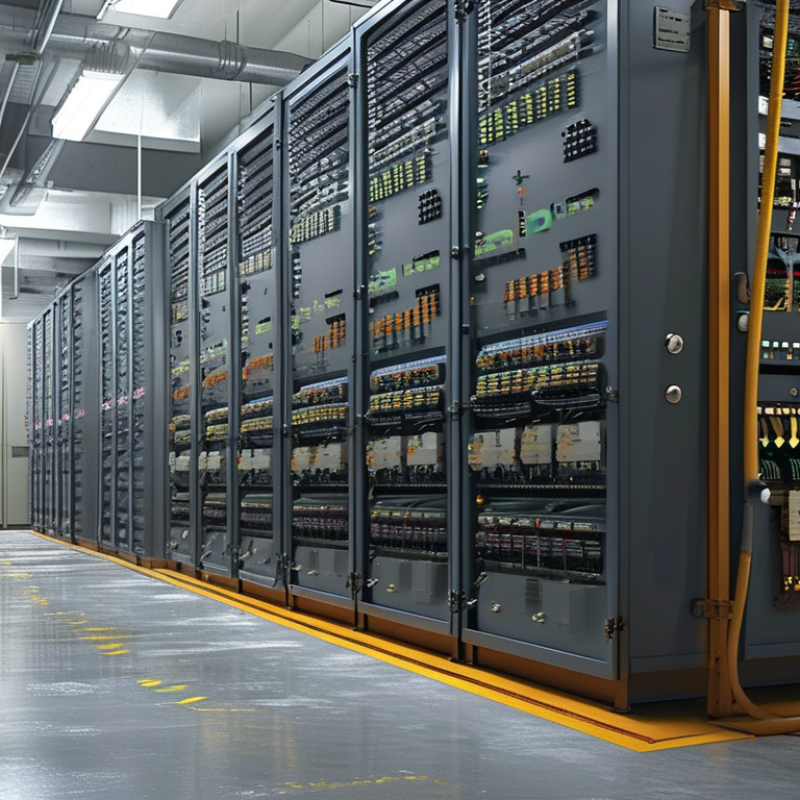
Understanding Zinc Oxide Surge Arresters and Their Functionality
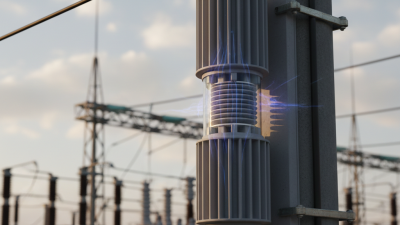
Zinc oxide surge arresters play a critical role in protecting electrical systems. They are designed to guard against voltage spikes caused by lightning or switching actions. This protection is essential in preventing damage to sensitive equipment. The core material, zinc oxide, offers high nonlinear resistance, which effectively handles over-voltage conditions.
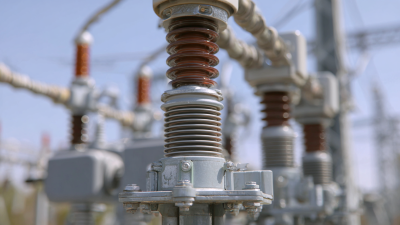
These devices are compact and typically installed in substations and distribution networks. Their functionality lies in diverting excess electrical energy away from sensitive components. Unlike traditional silicon-based arresters, zinc oxide devices provide better performance and longer service life. They can react quickly, often within nanoseconds, ensuring immediate protection.
However, not all installations completely eliminate risks. Aging or environmental factors may impact their reliability. Regular inspections are necessary to ensure continued effectiveness. Surge arresters should not be seen as a one-time solution but rather as part of a broader strategy for electrical safety and sustainability. Understanding their functionality aids in making informed decisions for optimal power needs.
Key Advantages of Zinc Oxide Over Traditional Surge Arresters
Zinc oxide surge arresters are becoming increasingly favored in power systems. Their advantages over traditional silicon carbide arresters are significant. A report from the Institute of Electrical and Electronics Engineers notes that zinc oxide devices offer superior performance in handling voltage spikes. They can absorb excessive energy more efficiently, providing a higher level of protection for equipment.
One key advantage is their non-linear V-I characteristics. When a surge occurs, zinc oxide elements divert energy away from sensitive components. This capability is crucial in modern applications, where electronic devices are highly vulnerable to power fluctuations. According to a study by the National Electrical Manufacturers Association, zinc oxide arresters reduce failure rates by 30% compared to traditional options.
Zinc oxide devices also boast a compact design. This allows for easier installation in constrained spaces. However, they come with challenges. The effectiveness of these arresters can be affected by environmental factors. Moisture and temperature can influence their lifespan. Proper maintenance is essential to ensure long-term reliability. Despite these considerations, the benefits of increased durability and efficiency make zinc oxide surge arresters a wise investment for many power needs.
Advantages of Zinc Oxide Surge Arresters
Industry Statistics: Efficiency and Reliability of Zinc Oxide Surge Arresters
Zinc oxide surge arresters represent a significant advancement in power protection technology. Industry statistics indicate they offer superior efficiency compared to traditional options. These arresters can handle larger transient voltages effectively. Their response times are remarkably fast, often in the nanosecond range, providing instant protection for sensitive equipment.
Reliability is another key factor. Zinc oxide surge arresters have longer lifespans, reducing the frequency of replacements. Statistics show that systems using these devices experience fewer failures related to surges. This reliability translates into lower overall maintenance costs. However, it’s important to note that not all installations are ideal. Some environments may lead to unexpected performance issues. Regular assessments are essential to ensure optimal functionality.
User education is crucial as well. Understanding the specific needs of a power system helps in selecting the right surge arrester. Data reveals that improper installations can lead to inefficiency. Engaging with professionals to evaluate system requirements is recommended. The choice of a zinc oxide surge arrester can enhance system resilience, but ongoing vigilance is necessary for maximum benefit.
Applications of Zinc Oxide Surge Arresters in Power Systems
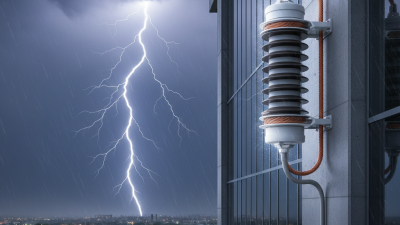
Zinc oxide surge arresters play a crucial role in modern power systems. Their main function is to protect electrical infrastructure from voltage spikes. These spikes can come from lightning strikes or switching actions. According to a report by the Electric Power Research Institute, about 60% of power outages result from transient overvoltages. This highlights the importance of integrating zinc oxide surge arresters in the design of electrical systems.
These surge arresters are particularly effective in various applications. They are widely used in transmission and distribution networks, substations, and renewable energy systems. Their ability to handle high energy levels makes them a preferred choice. A study by the IEEE revealed that zinc oxide surge arresters can withstand transient currents of up to 20 kA. This high capacity offers robust protection against electrical surges, ensuring system reliability.
However, there are challenges with their application. Aging and environmental factors can affect their performance over time. Regular testing is necessary to maintain their effectiveness. This emphasizes the need for proper maintenance protocols in power systems. Balancing protective measures with actual environmental conditions is essential for optimizing system reliability.
The Role of Zinc Oxide Surge Arresters in Enhancing Equipment Longevity
Zinc oxide surge arresters play a crucial role in enhancing equipment longevity. These components protect electrical systems from voltage spikes. By effectively dissipating excess energy, they help prevent damage to expensive equipment.
Power surges can occur from various sources, such as lightning strikes or switching operations. Without proper protection, these spikes can lead to catastrophic failures. Zinc oxide surge arresters are designed to handle these surges efficiently. Their high energy absorption capabilities ensure that sensitive equipment remains safe. This reliability makes them a preferred choice for many industries.
However, their placement in the system is vital. An incorrectly installed arrester may not provide the expected protection. Regular maintenance checks are also necessary to ensure functionality. For maximum effectiveness, understanding the specific needs of your system is critical. This consideration can significantly extend the life of your equipment.
Why Choose Zinc Oxide Surge Arrester for Your Power Needs? - The Role of Zinc Oxide Surge Arresters in Enhancing Equipment Longevity
| Feature |
Description |
Benefits |
| Material |
Zinc Oxide |
High energy absorption, better reliability. |
| Voltage Rating |
Up to 1,000 kV |
Suitable for high-voltage applications and enhanced safety. |
| Response Time |
Fast response to transients |
Protection of sensitive equipment from surge damage. |
| Durability |
Long service life |
Reduced maintenance costs and downtime. |
| Installation |
Easy installation |
Speed up the deployment of power systems. |
| Cost-effectiveness |
Competitive pricing |
Affordable solution for surge protection. |