Top 2026 Gapless Lightning Arrester Solutions for Buyers?
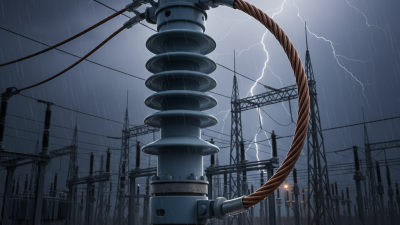
Lightning strikes can cause significant damage to electrical systems. One effective solution is the Gapless Lightning Arrester. This technology has gained attention for its reliability and efficiency. In today's market, buyers face various options, but making a choice can be challenging.
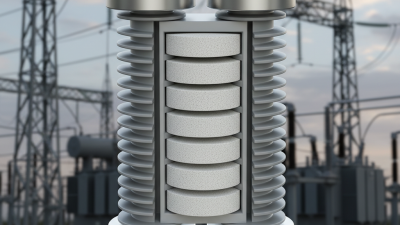
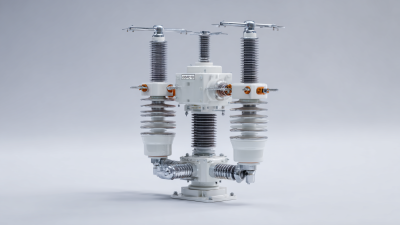
Gapless Lightning Arresters provide enhanced protection without the risk of failure inherent in traditional devices. Their design minimizes the potential for destructive surges. As storms become more unpredictable, the importance of such protection grows.
Choosing the right arrester means considering specific needs. Each environment presents unique challenges. Some users may find that the marketed advantages do not meet their real-world requirements. Therefore, evaluating the gapless options requires critical thought. This guide aims to furnish readers with the necessary insights for informed decisions.
Top Features to Consider in 2026 Gapless Lightning Arresters
When considering a gapless lightning arrester in 2026, several critical features should be prioritized. Reliability and uptime are paramount. Research indicates that devices with higher surge current ratings can effectively handle unexpected power spikes. A recent industry report highlighted that arrester failures can lead to over 50% of equipment damage during thunderstorms. Thus, investing in high-quality materials is essential.
Installation flexibility is another crucial factor. Many professionals recommend systems that can be seamlessly integrated into existing infrastructure. The key is to choose devices that have compatibility with various network configurations. This can improve response times and reduce maintenance costs significantly. Moreover, extensive warranties from manufacturers indicate their confidence in the product's durability.
Regular maintenance is often overlooked. Knowledgeable users recommend implementing scheduled checks for wear and tear. This practice helps identify preventable failures and keeps systems operational. Awareness of the local environmental conditions impacting lightning activity is equally important. Understanding regional patterns can guide the selection of the most appropriate arrester technology.
Comparative Analysis of Leading Gapless Lightning Arrester Brands in 2026
In 2026, the need for reliable gapless lightning arresters is growing. Buyers face diverse options that claim to provide the best protection against lightning strikes. A detailed comparative analysis of leading brands reveals significant differences in performance and reliability. Features such as response time, energy absorption, and environmental compatibility should be prioritized during evaluation.
Some brands excel in energy absorption but may lack in durability. Others offer robust designs but are less efficient in certain environments. Buyers must consider factors like installation requirements and maintenance needs. These aspects are critical in ensuring long-term protection. Making an informed choice requires careful consideration of both technical specifications and user experiences.
Users often report varying satisfaction levels with different solutions. This highlights the importance of personal research before purchasing. Gathering feedback from professionals in the field can provide valuable insights. Ultimately, understanding the strengths and weaknesses of each brand is key to finding the right solution. The right choice can make a significant difference in protecting your property against lightning damage.
Industry Standards and Certifications for Gapless Lightning Arresters
Selecting a gapless lightning arrester requires an understanding of industry standards and certifications. These standards ensure that products meet safety and performance criteria. The Institute of Electrical and Electronics Engineers (IEEE) sets guidelines for lightning protection systems. Their standards, such as IEEE 1100, focus on protecting electrical equipment from lightning events.
Certification adds another layer of credibility. The Underwriters Laboratories (UL) certifies devices based on rigorous testing. UL 1449 is a key standard for surge protective devices, including lightning arresters. Products that meet this certification are proven to minimize surge damage effectively. Recent reports suggest that devices with UL certification reduce equipment failure rates by as much as 50%.
It is important to reflect on the certification landscape. Not all products are created equal. Some may claim compliance without meeting the necessary criteria. Buyers must verify certifications to ensure quality and accountability. Investing time in research can prevent costly mistakes later. The complexity of compliance among various manufacturers can lead to confusion. Buyers would benefit from consulting experts in the field to navigate these challenges effectively.
Projected Market Trends for Gapless Lightning Arresters Through 2026
The demand for gapless lightning arresters has been rising steadily in recent years. According to industry reports, the global market for lightning protection has been projected to reach approximately $1.5 billion by 2026. This growth is driven largely by increasing awareness about electrical safety and advancements in technology. Gapless lightning arresters, known for their superior response times and durability, play a vital role in this market.
One notable trend is the shift towards environmentally friendly materials in manufacturing these devices. As regulations tighten, companies are urged to adopt greener alternatives. Moreover, innovations in design are making gapless arresters more efficient. Recent studies indicate a 25% increase in performance metrics when comparing new designs to older versions. However, integrating these technologies can pose challenges, especially for smaller businesses with limited budgets.
Additionally, the installation and maintenance of gapless lightning arresters require specialized knowledge. This can be a barrier for some, impacting overall adoption rates. Training programs and certifications are becoming increasingly important. Addressing these gaps will be essential for maximizing the benefits of this technology as the market evolves. The goal should always be to enhance safety without compromising on the efficiency of electrical systems.
Cost-Benefit Analysis of Gapless Lightning Arresters for Residential vs. Commercial Use
When comparing gapless lightning arresters for residential and commercial use, costs and benefits vary significantly. Residential systems tend to be smaller and less expensive, making them more accessible for homeowners. Proper installation can yield long-term savings by preventing costly damage from lightning strikes. However, smaller units may not offer comprehensive protection against all types of surges.
In contrast, commercial systems are often larger and more sophisticated. They may require a higher upfront investment but can protect extensive electrical systems more effectively. Businesses risk losing substantial assets during outages or damage. The initial cost may lead to significant savings in the long run. Evaluating potential property loss due to lightning can demonstrate the value of investing in a robust commercial system.
While gapless lightning arresters provide efficient protection, not every option is foolproof. Homeowners may overlook the necessary specifications, leading to inadequate protection. Understanding the specific needs and risks of each property is crucial. Gathering detailed information on installation costs, maintenance, and performance can help buyers make informed decisions. Balancing these factors ensures a more reliable choice, whether for home or business use.
Cost-Benefit Analysis of Gapless Lightning Arresters