What is a High Voltage Fuse Link and How Does it Work?
High Voltage Fuse Links play a critical role in electrical safety and system reliability. These devices protect electrical circuits from overcurrent, ensuring optimal performance in various applications. According to the International Electrotechnical Commission (IEC), high voltage fuse links are essential for minimizing damage during fault conditions. They help maintain stable operations in industries such as power generation, manufacturing, and renewable energy.
Renowned expert Dr. Samuel Torres stated, "High Voltage Fuse Links are indispensable in modern electrical infrastructure." His insight reflects the industry's reliance on these components for safety and efficiency. Current trends show an increasing demand for high voltage fuse links, projected to grow at a compound annual growth rate of 5.4% from 2023 to 2030, as highlighted in a recent market analysis report by Transparency Market Research.
However, the selection and application of high voltage fuse links require careful consideration. Misalignment in specifications may lead to inadequate protection. It's crucial for engineers to assess the environment and load conditions accurately. The reliance on these components can't be overstated, but there remains a need to reflect on their limitations and the potential consequences of improper usage.
Definition of High Voltage Fuse Link and Its Applications
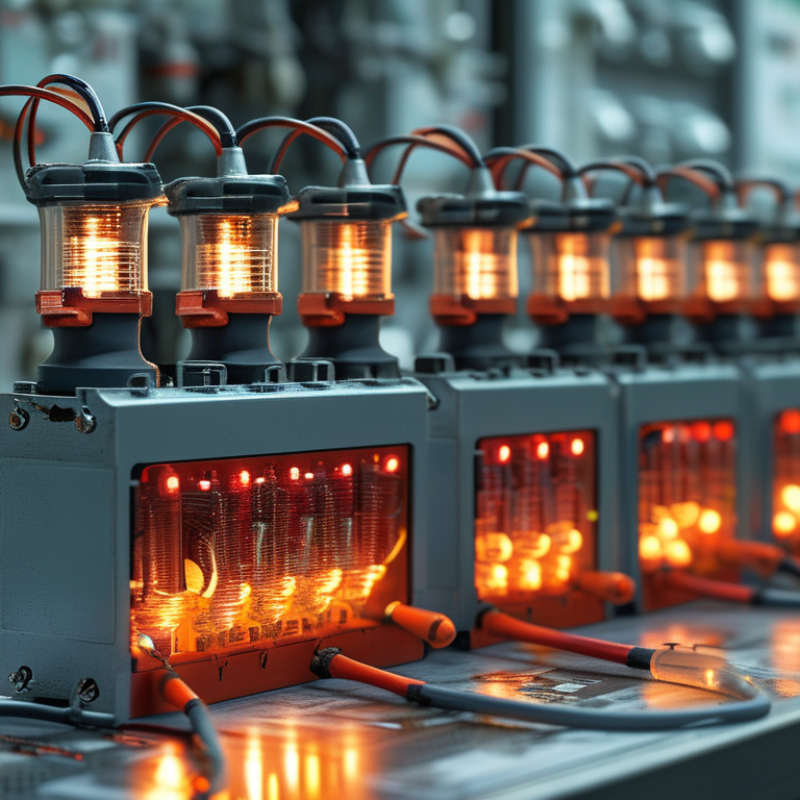
A high voltage fuse link plays a critical role in electrical systems. It is designed to protect high voltage equipment from overloads and short circuits. When current exceeds a safe level, the fuse link melts, interrupting the circuit and preventing damage. This innovative device is widely used in power substations, industrial plants, and renewable energy systems.
The applications of high voltage fuse links are extensive. They help to maintain the integrity of power distribution networks. In solar energy installations, they safeguard inverters and other components from faults. Their importance in keeping systems running smoothly cannot be overstated.
In deciding on a high voltage fuse link, consider the specific requirements of your system. Ensure the voltage rating matches your equipment needs. Proper installation is crucial, as incorrect placement can lead to failures. Always consult industry standards for best practices in maintenance and operation. Regular inspections can extend the lifespan of your electrical components.
Understanding the limitations of high voltage fuse links is essential. They are not a one-size-fits-all solution. Each application may present unique challenges that require different approaches. Reflecting on your system’s demands can lead to more efficient use of these protective devices.
Components of a High Voltage Fuse Link Explained
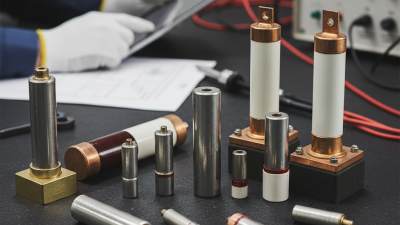
High voltage fuse links are critical components in electrical systems, protecting equipment from overcurrent and preventing damage. These fuse links consist of several key components, each playing a crucial role in their functionality. The fuse element itself is often made from metal, designed to melt under excessive current. This process interrupts the electrical flow, safeguarding downstream devices. According to industry standards, the material's melting point must be precisely calculated to ensure effective operation.
Another vital component is the fuse holder, which secures the fuse within the electrical circuit. It ensures proper alignment and contact, allowing for reliable performance. Depending on the application, fuse holders are made from materials like thermoplastics or ceramics, offering different levels of insulation. A report from the International Electrotechnical Commission indicates that high voltage fuse links can withstand voltages exceeding 1,000 volts, making them suitable for various industrial applications.
Additionally, the insulating medium, commonly air or oil, plays a significant role in interrupting the circuit after a fuse blows. This medium must efficiently quench the arc created during the fuse operation. Research shows that improperly designed high voltage fuse links can lead to catastrophic failures. This emphasizes the need for rigorous testing and adherence to safety standards in design and manufacturing. Ensuring these components are optimized can significantly reduce risks in high voltage applications.
The Operating Principle of High Voltage Fuse Links
High voltage fuse links play a crucial role in electrical safety. Their primary function is to protect circuits from overcurrent conditions. When excessive current flows through the fuse, it heats up and melts, breaking the circuit and preventing damage. These fuse links are designed to operate effectively in high voltage environments, which requires advanced materials and precise engineering.
Understanding the operating principle of high voltage fuse links involves recognizing their response to current surges. The fuse element, often made of silver or copper, quickly heats up during overload situations. This rapid response is vital. Delays could lead to equipment failure or fire hazards. The construction of high voltage fuses ensures they can withstand significant electrical stress while maintaining reliability.
Consider using high voltage fuses with streamlined designs. Simplicity often translates to efficiency. Ensure that the installation is done by trained professionals. Proper placement is essential for optimal performance. Regular maintenance checks should be part of your routine. These small steps enhance safety and reliability in electrical systems. Prioritizing safety in high voltage applications cannot be overstated.
Types of High Voltage Fuse Links and Their Characteristics
High voltage fuse links play a crucial role in electrical systems, providing overcurrent protection. Different types of fuse links are designed to handle various voltage levels and operational conditions. Each type exhibits distinct characteristics that affect its performance.
There are several types of high voltage fuse links. Current-limiting fuses are commonly used. They quickly respond to overcurrents, minimizing damage to equipment. In contrast, expulsion fuses rely on a chemical reaction to clear faults, making them suitable for outdoor use. Each type has its advantages and limitations. For instance, while expulsion fuses are robust, they require more maintenance than current-limiting fuses.
Another type is silica fuses, which are excellent for high-voltage applications. They operate effectively at extremely high temperatures. However, their installation can be complex and requires specific expertise. Despite these challenges, understanding the characteristics of different fuse links is essential. It allows for better selection for particular applications, ensuring efficient and reliable operation.
What is a High Voltage Fuse Link and How Does it Work? - Types of High Voltage Fuse Links and Their Characteristics
| Type of Fuse Link |
Voltage Rating |
Current Rating |
Breaking Capacity |
Applications |
| Ceramic Fuse Link |
3 kV |
100 A |
25 kA |
Substation equipment |
| Glass Fuse Link |
5 kV |
200 A |
40 kA |
Industrial machines |
| Expulsion Fuse Link |
15 kV |
50 A |
10 kA |
Overhead distribution lines |
| Transformer Fuse Link |
25 kV |
300 A |
50 kA |
Power transformers |
Importance of High Voltage Fuse Links in Electrical Safety
High voltage fuse links play a crucial role in maintaining electrical safety. These components protect electrical circuits from overloads and short circuits. When excessive current flows, the fuse link melts, breaking the circuit and preventing damage. This immediate response is vital for safeguarding both equipment and personnel.
Understanding their importance goes beyond technical knowledge. High voltage systems are often found in industrial settings and utility companies. The failure of a fuse link can lead to catastrophic results, including fires or equipment failures. Regular inspections and maintenance of fuse links are essential. Many overlook the significance of these components, which can result in serious safety hazards.
While high voltage fuse links are effective, they are not infallible. In some cases, incorrect installation or selection can lead to failures. This calls for constant vigilance. Training and awareness are necessary for personnel working with high voltage systems. An informed workforce is crucial in preventing accidents and ensuring operational safety.