What is Din Standard Fuse and How to Choose the Best?
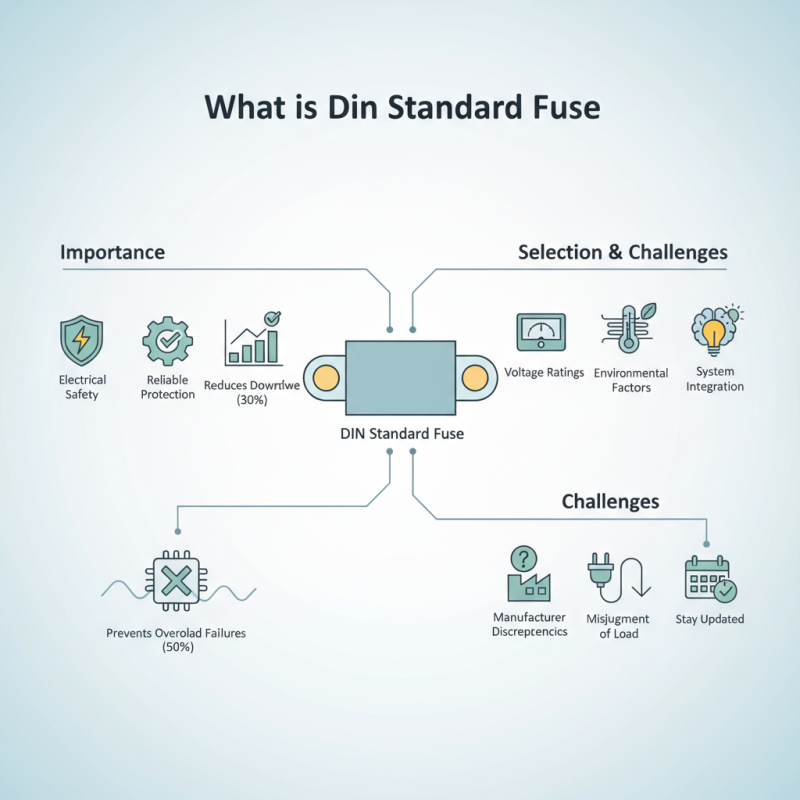
When it comes to electrical safety, understanding the "Din Standard Fuse" is crucial. This standard is widely adopted in various industries and ensures reliable protection for electrical circuits. According to industry reports, over 50% of electrical failures are caused by fuse malfunctions. Selecting the right fuse involves expertise in load requirements, voltage ratings, and environmental factors.
The Din Standard Fuse is designed to provide specific amperage ratings, making it vital for preventing overloads. With different options available, choosing the best one can be daunting. Many specialists recommend integrating fuse characteristics with the overall system design for optimal performance. Studies indicate that a well-selected fuse can reduce system downtime by up to 30%.
However, professionals often face challenges. Misjudgment of load conditions can lead to inadequate protection. Furthermore, not all manufacturers meet the same standards, which can lead to discrepancies. Regularly reviewing fuse options and staying updated on industry advancements are essential for maintaining safety and efficiency. Understanding the ins and outs of Din Standard Fuses is not just about compliance; it's about ensuring reliable operation in critical systems.
Understanding the Definition and Purpose of DIN Standard Fuses
DIN standard fuses are essential components in electrical systems. They provide overcurrent protection by breaking the circuit when the current exceeds a certain level. Understanding the definition of DIN standard fuses can help users make informed choices for their applications. These fuses are designed according to specific technical standards set by the Deutsches Institut für Normung (DIN). This ensures their reliability and consistency across various electrical setups.
Choosing the best DIN fuse involves assessing several factors. Current rating is one of the key considerations. It determines how much current the fuse can tolerate before it blows. Users must also consider the fuse's voltage rating. A mismatch could lead to equipment failure or safety hazards. The environment where the fuse operates plays a pivotal role as well. For instance, extreme temperatures can affect fuse performance.
Not all fuses are created equal. When selecting, pay attention to the characteristics of the specific application. Ignoring these details can result in poor performance or damage. It's vital to balance cost with quality. Sometimes, opting for a cheaper fuse may seem appealing. However, this could lead to greater costs down the line. So, careful evaluation and understanding of DIN standard fuses are necessary for optimal performance.
Types of DIN Standard Fuses: A Comprehensive Overview
DIN standard fuses are essential components in electrical systems. They provide protection against overcurrent conditions. Understanding the types of DIN standard fuses can help in selecting the right one for your needs. Typically, these fuses fall into categories like glass tube, ceramic, and compact fuses. Each type has its unique features suitable for different applications.
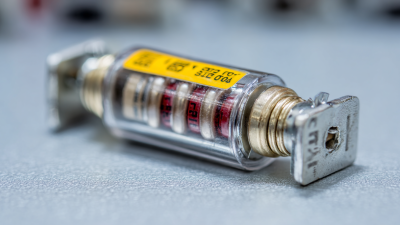
Glass tube fuses are commonly used in household appliances. Their visibility allows for easy inspection. Ceramic fuses, on the other hand, offer higher breaking capacities and are suitable for industrial applications. Interestingly, the global fuse market is expected to grow at a CAGR of 4.0% from 2021 to 2026, according to recent industry reports. This growth highlights the increasing demand for reliable electrical protection.
Compact fuses are compact designs commonly found in automotive applications. These fuses save space while maintaining efficiency. However, the challenge lies in ensuring the right rating is selected. Incorrect ratings can lead to insufficient protection. According to industry feedback, over 30% of fuse failures result from improper selection. It emphasizes the need for thorough understanding in choosing the correct fuses. Being aware of compatibility and operational conditions is key to preventing failures.
Key Factors to Consider When Choosing DIN Standard Fuses
When choosing DIN standard fuses, several key factors must be considered. First, determine the electrical specifications required for your application. Voltage ratings and current ratings should match the particular circuit requirements. Inappropriate ratings can lead to frequent blown fuses or inefficient protection.
Consider the fuse body type and dimensions as well. DIN fuses come in various sizes and shapes, suited for specific installations. Ensure that the selected fuse fits the designated fuse holder or panel. Additionally, the material of the fuse influences its performance. Some materials handle heat better than others, which can be crucial in high-temperature environments.
Safety features are another important aspect. Look for fuses with visual indicators. These provide a quick, reliable way of checking fuse health. It's also wise to reflect on service conditions. Factors like humidity and exposure to contaminants can affect fuse longevity and reliability. Each application has unique demands. Not addressing these could lead to unexpected failures.
Installation and Safety Tips for DIN Standard Fuses
Installing DIN standard fuses requires attention to detail and safety. Ensure you select the right amperage for your application. Each fuse has a specific rating, and choosing one too high can pose risks. Inspect the electrical panel before installation. Look for any signs of wear, damage, or corrosion. Clean the area to ensure proper contact with the fuse.
When installing the fuse, turn off the power supply. This is a critical step to avoid any electric shock. Use insulated tools to minimize risks while working within the panel. Follow the manufacturer's guidelines for installation. This promotes reliability and safety.
After installation, monitor the fuse's performance periodically. A blown fuse can indicate deeper issues in the electrical system. Regular inspections can prevent potential hazards. Remember, electrical systems should be handled by professionals when in doubt. Prioritize safety above all when working with electrical components.
What is Din Standard Fuse and How to Choose the Best? - Installation and Safety Tips for DIN Standard Fuses
| Fuse Type |
Amperage Rating |
Voltage Rating |
Holders |
Application |
| Miniature Circuit Breaker (MCB) |
6A - 63A |
230V - 400V |
DIN Rail Mount |
Residential, Commercial |
| Fused Disconnect Switch |
30A - 200A |
600V |
Panel Mount |
Industrial Equipment |
| Blade Fuse |
2A - 40A |
12V - 24V |
Automotive Mount |
Cars, Trucks |
| Ceramic Fuse |
1A - 25A |
250V |
Fuse Holder |
Household Appliances |