How to Choose the Right Knife Blade Fuse for Your Needs?
Choosing the right Knife Blade Fuse is crucial for ensuring safety and reliability in electrical systems. According to a recent market research report by Research and Markets, the global fuse market is expected to grow significantly, driven by increased electrical applications across various industries. Knife blade fuses, known for their compact design and high current capacity, are a popular choice in automotive and industrial sectors.
Selecting a suitable Knife Blade Fuse involves understanding specific requirements. Factors such as voltage ratings, current ratings, and physical space must be considered. A poorly chosen fuse can lead to electrical failures, posing serious risks. Reports highlight that about 15% of electrical accidents stem from inadequate fuse selection.
While many believe that all fuses perform similarly, this is a misconception. Each type serves a specific purpose. Users should reflect on their unique needs and consult reliable resources before making a choice. Making informed decisions can lead to enhanced system performance and safety.
Understanding Knife Blade Fuse Basics and Types
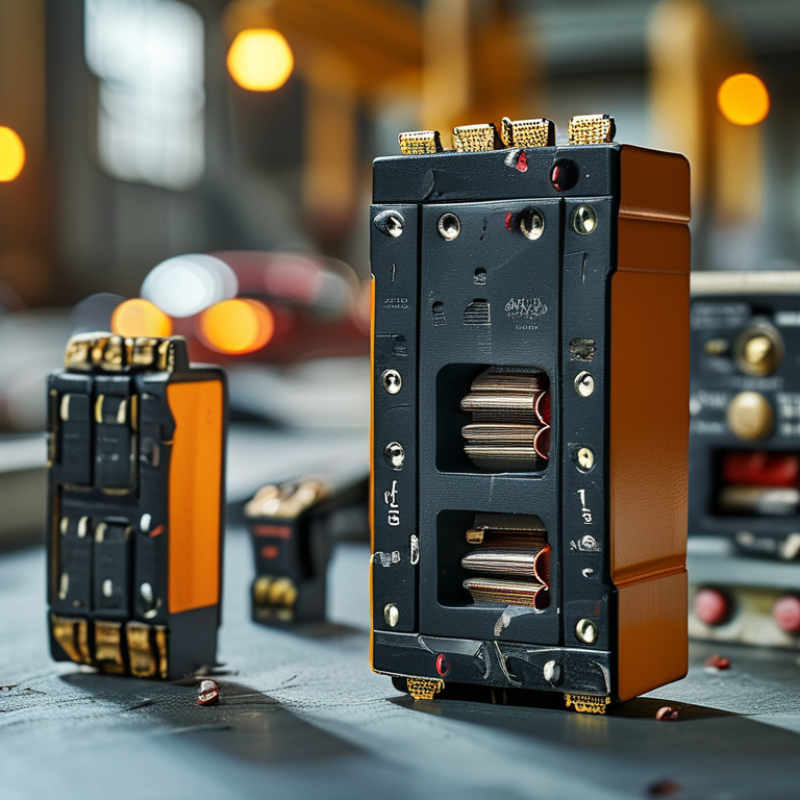
Knife blade fuses come in various types, each designed for specific applications. Understanding the basic types is essential for making the right choice. There are mini, regular, and low-profile blade fuses. Mini fuses are commonly found in modern vehicles, while regular fuses are used in older models. Low-profile options save space in tight installations. Each type accommodates different amperage levels, ranging from 2 to 30 amps.
When selecting a fuse, consider its rating. The amperage should match the circuit requirements. An undersized fuse may blow too frequently, while an oversized fuse might not protect your system adequately. Always refer to the specifications of your vehicle or equipment. It can be easy to overlook these details, but doing so can prevent mishaps.
Installation is straightforward, but focus is key. Ensure the fuse fits snugly in its holder. A loose connection can lead to failure. If fuses blow repeatedly, it may indicate an underlying issue. It’s important to diagnose the root cause, rather than simply replacing the fuse. This proactive approach enhances reliability and safety.
Identifying Your Electrical Needs and Application Requirements
When selecting a knife blade fuse, understanding your electrical needs is paramount. The National Electrical Manufacturers Association (NEMA) suggests assessing the expected load and potential inrush current. Ensure you know the voltage level of your system and any specific environmental factors. Operating temperature can significantly affect fuse performance. For example, a fuse rated for 32°C might fail at higher temperatures.
Consider your application requirements as well. According to the Institute of Electrical and Electronics Engineers (IEEE), a knife blade fuse should match the characteristics of your equipment. Look for compatibility with your circuit design. If there's a mismatch, it may lead to premature failures or insufficient protection.
Take into account the physical space available for installation. Knife blade fuses come in different sizes. Choosing the correct size can help avoid issues during installation. Always review manufacturer specifications to align your choice with safety standards. This attention to detail can prevent costly downtime in critical applications.
Evaluating Amperage Ratings and Voltage Compatibility
When selecting a knife blade fuse, understanding amperage ratings and voltage compatibility is essential. Amperage ratings determine the maximum current that fuse can handle without blowing. If the rating is too high, it may not adequately protect your circuit. Conversely, a rating that's too low can lead to frequent disruptions. Always check the specifications of your electrical system before making a choice.
Voltage compatibility is another crucial factor. A fuse's voltage rating indicates the maximum voltage it can interrupt safely. If the voltage of your system exceeds this rating, the fuse may fail. This could cause severe damage or hazards. Verify that your chosen fuse matches or exceeds the voltage requirements of your application.
These evaluations can be tricky. Many people assume all fuses are interchangeable, which is not true. Each fuse serves a unique purpose, and errors can lead to safety risks. Take the time to assess your needs carefully. Having a reliable fuse can save you time, money, and increase safety in your projects.
Choosing the Right Knife Blade Fuse: Amperage and Voltage Ratings
This chart illustrates the relationship between the amperage ratings of knife blade fuses and their voltage compatibility as well as common usage percentages. Understanding these factors can help you select the fuse that best suits your electrical needs.
Comparing Fuse Size and Physical Dimensions
When choosing a knife blade fuse, size and physical dimensions are crucial.
Each dimension affects the fuse's performance and suitability for your needs. Fuses come
in various sizes, and knowing these details can prevent potential issues like
overheating or electrical faults.
For instance, check the fuse's rated current. It should match your equipment's
requirements. A mismatch can cause failure. Measure the physical dimensions to ensure
a proper fit in the designated space. Too large a fuse can lead to installation problems.
Not all fuses are created equal.
Tips: Always refer to the manufacturer’s specifications for the recommended fuse sizes.
Consider your application carefully. If you're unsure, consult a professional.
They can clarify the complexities of fuse selection. Remember, the right fuse enhances
your system's reliability.
Ensuring Proper Installation and Safety Measures
When selecting a knife blade fuse, ensuring proper installation and safety measures is crucial. According to recent industry studies, improper installation accounts for nearly 30% of electrical failures. Users should adhere strictly to specified ratings and installation guidelines. Each blade fuse has a designated current rating. Exceeding this can cause overheating and potential fires.
It's essential to check the fuse holder regularly. A loose connection can lead to increased resistance, creating dangerous heat levels. Always use a multimeter to test for continuity before reinstalling any components. During installation, wear protective gear. Safety glasses and insulated gloves should be standard procedure. Even minor errors can lead to system failures or accidents.
Educating oneself about different fuse types is advisable. For instance, slow-blow fuses can tolerate temporary surges, while fast-acting fuses cannot. Using the right type for the application significantly enhances the system's reliability. It’s a mistake many make, thinking all fuses are interchangeable. Failing to consider the system's requirements can result in costly repairs. Reflect on past installations and assess what went wrong.
How to Choose the Right Knife Blade Fuse for Your Needs?
| Fuse Type |
Current Rating (A) |
Voltage Rating (V) |
Wire Size (AWG) |
Application |
| Standard Blade Fuse |
5 |
32 |
14 |
Automotive, Light Duty |
| Low Profile Blade Fuse |
10 |
32 |
14 |
Compact Applications |
| Mini Blade Fuse |
15 |
32 |
16 |
Motorcycle, Automotive |
| ATO Blade Fuse |
20 |
32 |
12 |
Heavy Duty, Trucks |
| Mini ATM Fuse |
25 |
32 |
14 |
Specialized Applications |